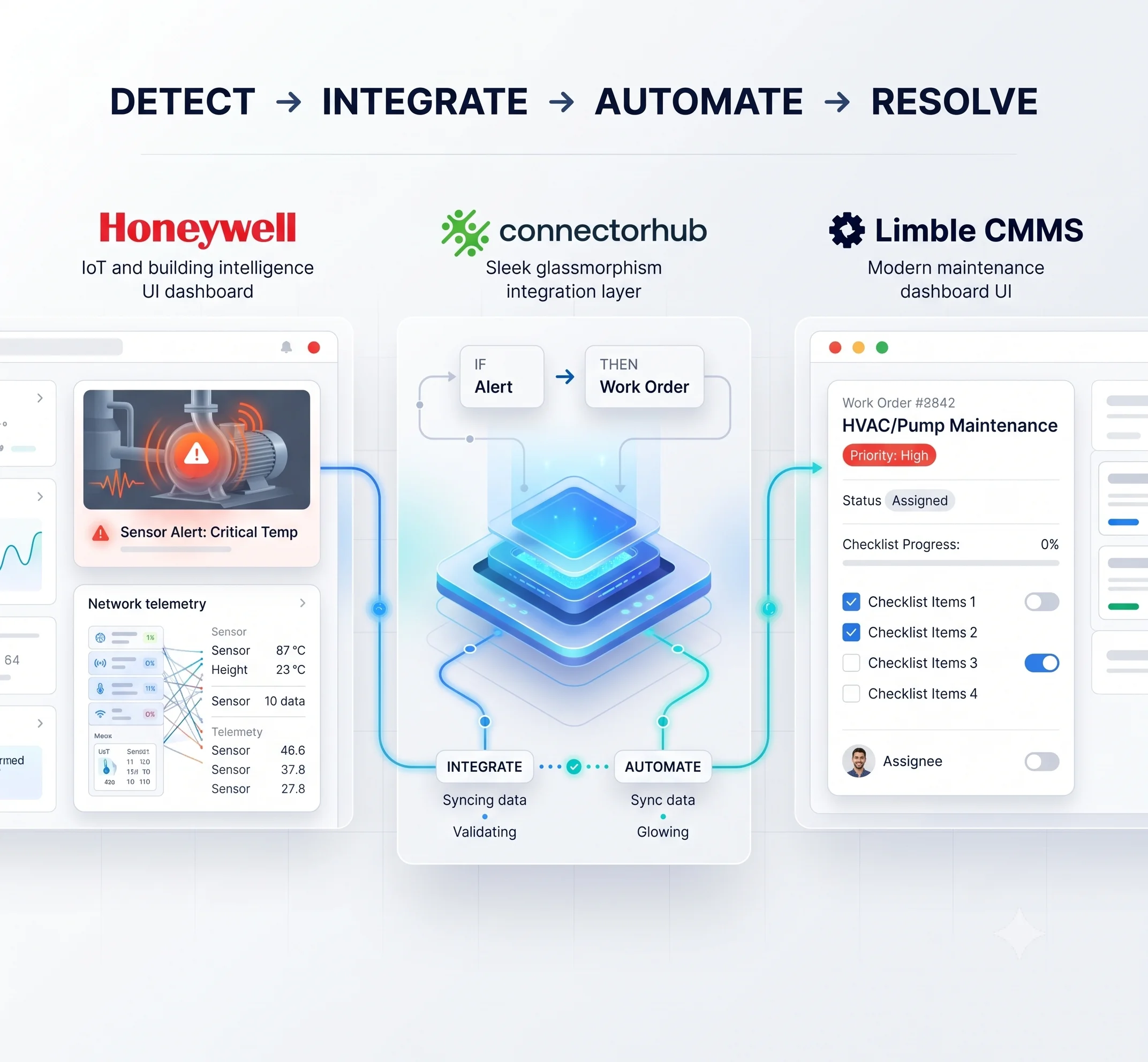
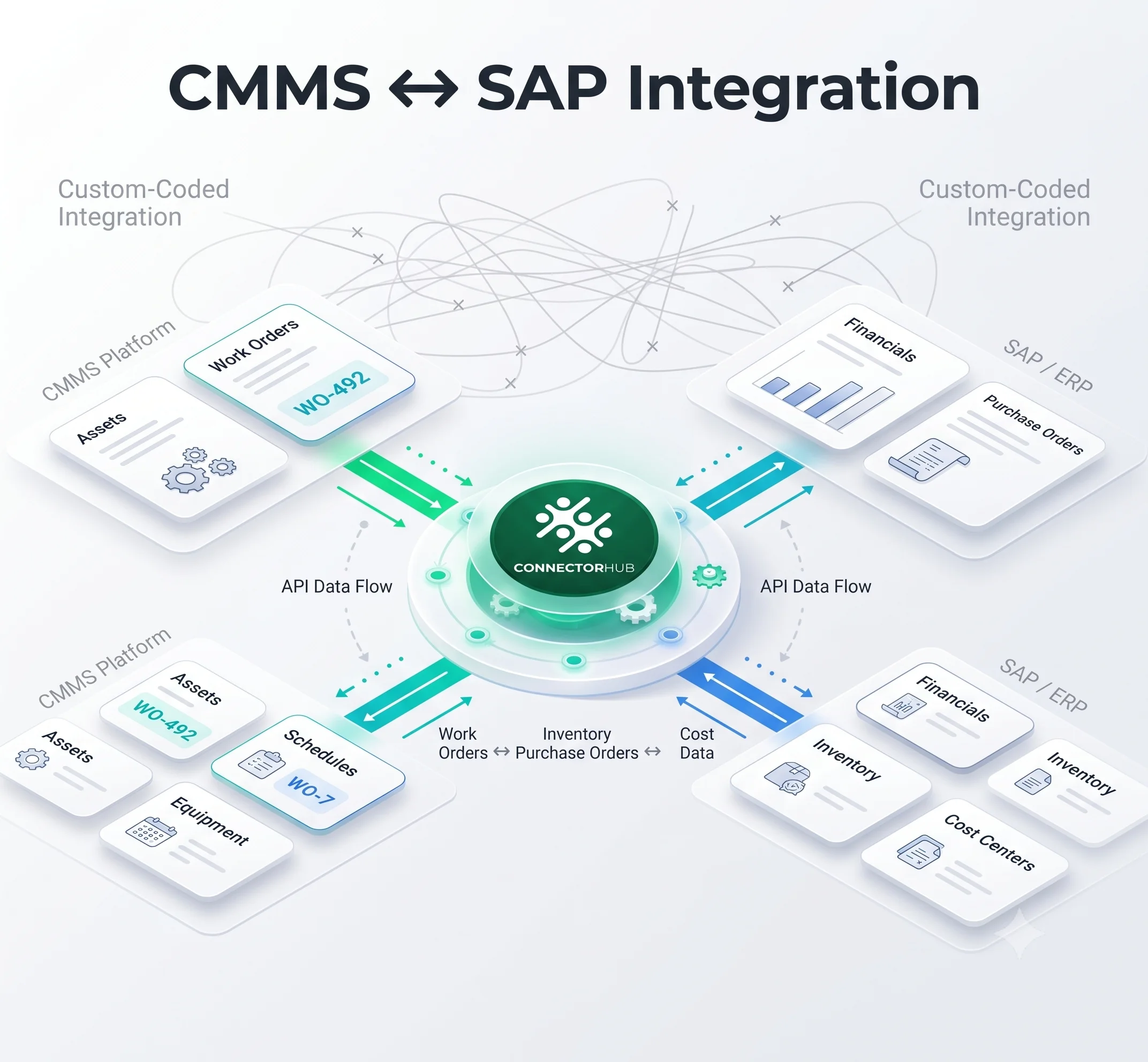
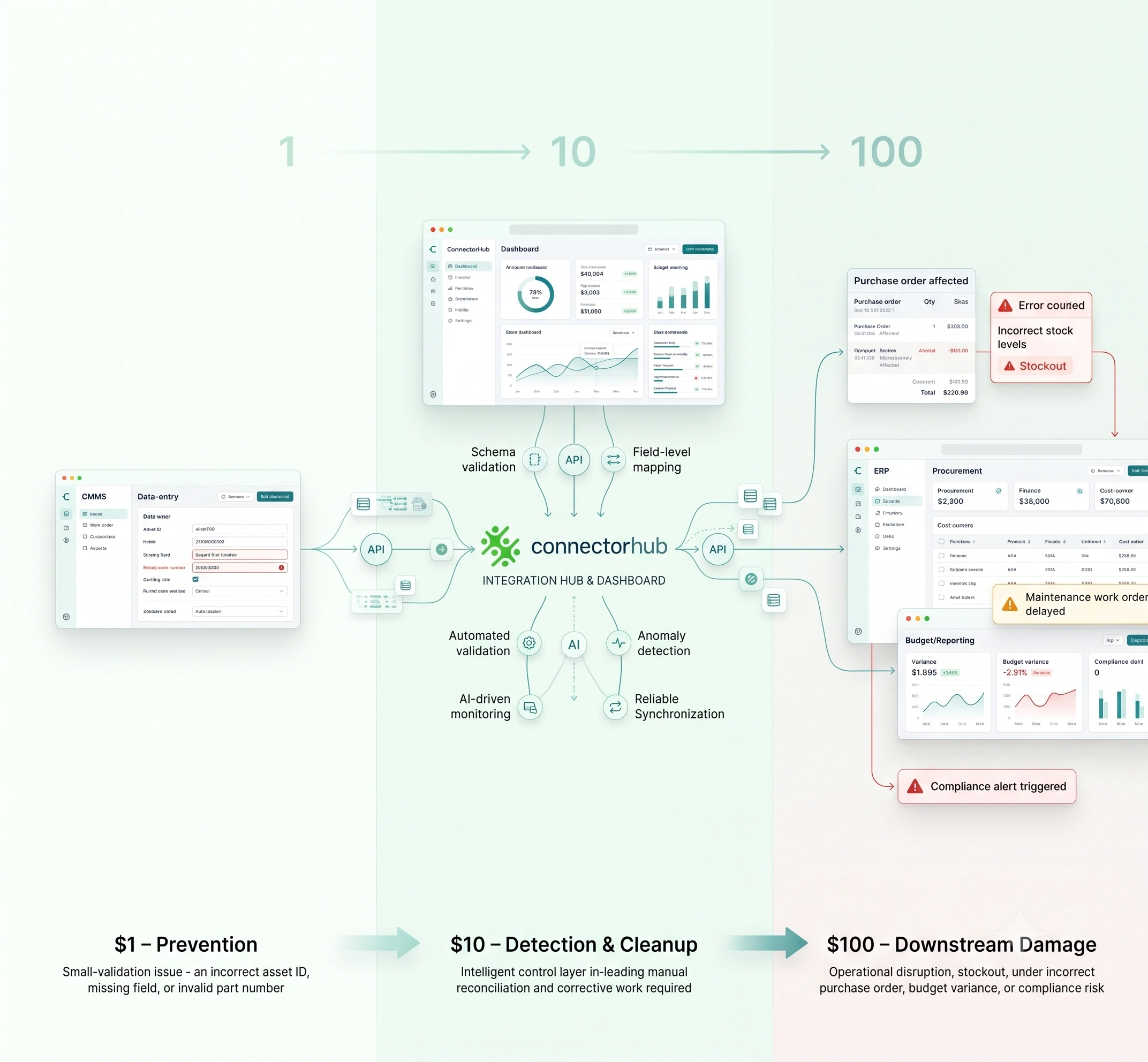
.svg)
Every new connection you add to your platform either makes the next one easier to build or harder. That single fact separates companies running on a scalable integration framework from companies quietly accumulating a bill they will have to pay later.
As your customer base grows and the number of surrounding systems multiplies, multi-system integration stops being a project you schedule once a quarter. It turns into a constant operational demand.
Leaders rarely feel these growing pains until they impact our metrics. Team momentum stalls, customer frustrations rise, and multi-tenant platform performance struggle to keep pace every single time we welcome a new client or system integration.
None of this is inevitable. It is the predictable outcome of specific architectural choices, and those choices can be reversed.
This matters most acutely for SaaS and software companies running multi-tenant products. A single flawed connector pattern doesn't just affect one customer, it repeats itself across every account built on the same platform.
If you lead product, technology, operations, or any team relying on seamless digital connections, the rest of this guide explores how complex tech burdens emerge, the actual toll they take on your people, and the guiding practices keeping your digital foundations resilient rather than fragile as you grow.
The Warning Signs of Integration Debt
Most leadership teams do not recognize this process as a total collapse. It creeps in through minor conflicts, all of which are taken to be isolated cases, until the trend cannot be ignored anymore.
A few signs tend to appear first:
- A simple task to connect a new customer takes not days but weeks because there is no template to work with.
- There are multiple versions of nearly identical connectors maintained by engineers because no one has a blueprint on how systems should interact.
- A vendor changes its API, and the change quietly breaks three unrelated workflows that nobody remembers building.
- Support and engineering spend more hours firefighting failed syncs than they spend on new features.
- No one can say, without checking three separate spreadsheets, how many integrations are actually running in production.
None of these problems start as a crisis. They are written as small scripts to secure deals or solve customer problems.
Integration debt is the result of a difference between how quickly these integrations are built and how consciously they are managed. Integration debt hardly ever decreases on its own.
Why Point-to-Point Integration Breaks Down as You Scale
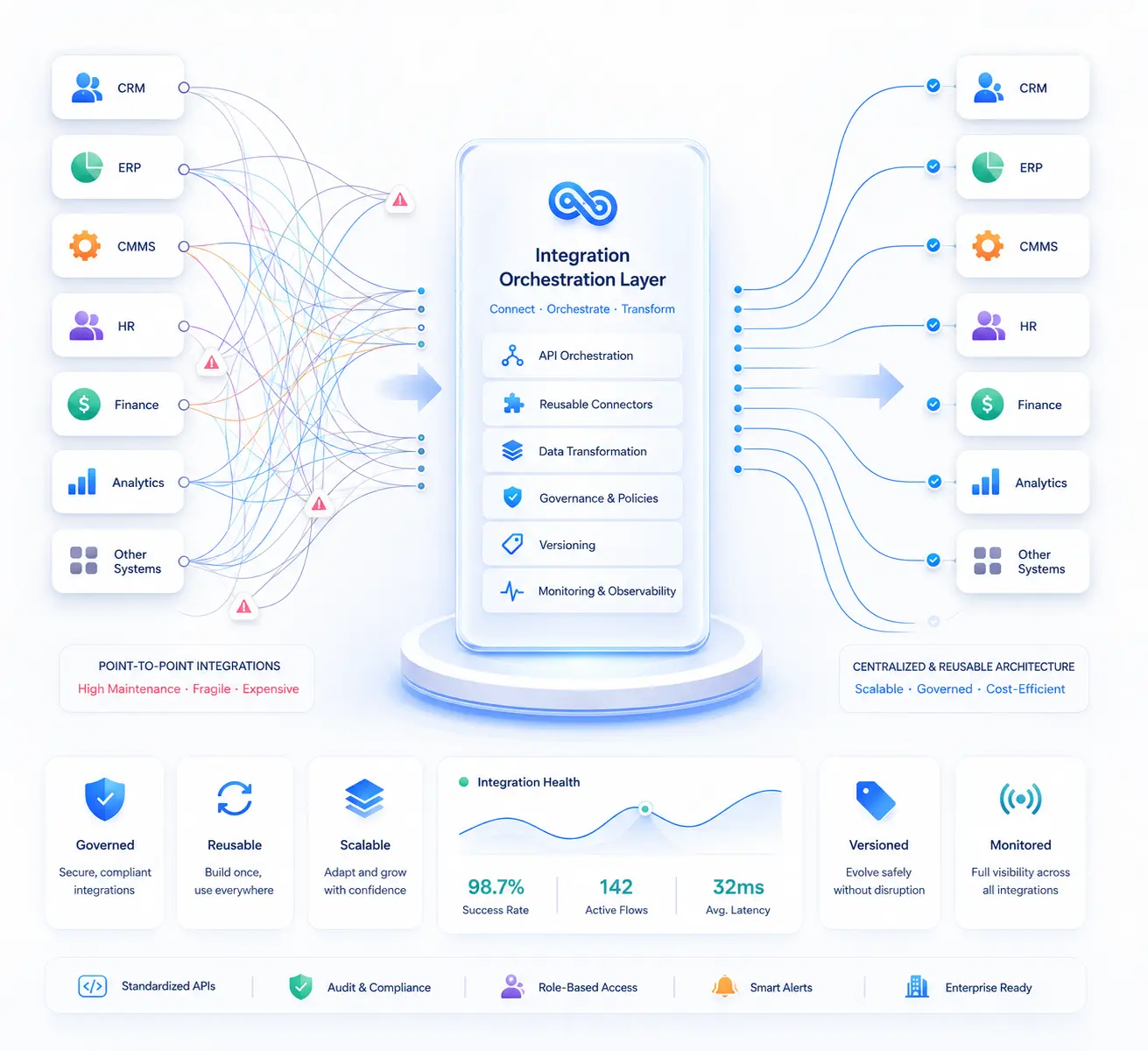
Point-to-point connections work fine when you have three or four systems talking to each other directly. The trouble starts once that number climbs.
Each new system doesn't add one connection's worth of risk. It adds a connection to every existing system it needs to exchange data with, and that math turns ugly fast:
- Five systems can mean up to ten individual connections to build and maintain.
- Ten systems can mean dozens, each running its own logic.
- Every new customer request adds to that count, not just once, but for as long as the connection stays live.
This is where a deliberate integration architecture matters more than raw engineering effort. Without one, every connector becomes a custom build with its own error handling, its own way of authenticating, and its own set of unknowns when it comes to data format assumptions.
There's no way to see the entire system, since there's no entire system. There are many independent relationships that exist only because someone created them.
Platforms that treat every customer request as a fresh point-to-point project eventually hit a wall. Engineering time gets consumed by upkeep instead of new features, and the same connector logic gets rebuilt in slightly different ways across teams.
What reads as flexibility early on becomes fragility once the system has to support real production volume through a genuine API integration platform, rather than a loose collection of scripts.
For an executive team, this shows up as a widening gap between the roadmap that gets promised and the roadmap that actually ships. Every quarter spent stabilizing old connections is a quarter not spent on the features that were supposed to differentiate the product in the first place.
The Real Cost of Integration Debt
The true cost of neglected system connections rarely appears as a single line item on our budgets. It silently burdens our various teams, which is exactly why it escapes executive discussions for so long.
None of these costs looks dramatic in isolation. Together, they explain why platforms that once moved quickly start missing delivery dates, and why a cloud integration approach that held up fine at ten customers starts to buckle at two hundred.
The debt doesn't stay flat, either. It compounds, because every new integration built on a shaky foundation inherits the same weaknesses as the ones that came before it.
Four Principles of a Scalable Integration Architecture
Scaling integration well comes down to four disciplines, applied consistently rather than occasionally.
- Reusable templates over one-off scripts. Build connector logic once, as a configurable template, then reuse it for every customer running similar systems. This is the foundation of any real enterprise integration platform, because it turns each new integration into a configuration task instead of a development project.
- Centralized governance. Every connection should stay visible in one shared space, managed by clear guidelines rather than just the founding developer. Good oversight means our team always understands what is active, how systems intertwine, and who steps up when issues happen.
- Versioning and backward compatibility. External software tools change constantly. A resilient design treats every digital bridge as a carefully managed asset, letting new updates roll out without disrupting active daily operations. This is where thoughtful API orchestration really pays off, aligning interconnected processes, so a shift in one tool never quietly destabilizes another.
- Monitoring and alerting from day one. We simply cannot lead what remains hidden. Instant clarity into active processes, failed updates, and data glitches transforms digital connections from an opaque mystery into something our team can proactively manage rather than troubleshoot.
Together, these four principles are what separate a genuine iPaas solutions approach from a folder of custom scripts held together with good intentions.
The difference isn't the number of connections you have. It's whether each new one leaves the system stronger or adds one more point of failure.
A Practical Framework for Auditing Your Integrations
Before deciding whether your approach needs a rebuild, it helps to run a straightforward audit. This doesn't require a lengthy consulting engagement.
It demands a realistic view of how integrations are really developed and supported now, rather than what the organization chart indicates. A few specific questions tend to surface the real picture quickly:
- How many integrations are currently live, and can anyone produce that list without checking three different tools?
- How many of those integrations share the same underlying logic, just written slightly differently by different people?
- When a connected system changes its API, does one team find out proactively, or does the failure surface as a customer complaint?
- Is there a single owner accountable for integration health, or does responsibility shift depending on who built the connector originally?
- Can a new integration be configured from existing templates, or does every request start from a blank file?
The answers usually point to the same conclusion. Most integration debt isn't a technology problem first. It's a process gap, where the integration strategy never kept pace with how fast the platform grew.
Solving this problem involves addressing each link as part of one data integration platform that follows the same guidelines, instead of as individual projects that just happen to share the same code base.
How ConnectorHub Helps Platform Providers Scale Without the Debt
Some platform providers facing this exact pattern decide not to build every connector internally. Instead, they adopt a shared connectivity platform and weave it into their solutions, ensuring complex technical work stays with trusted experts rather than exhausting our internal teams juggling competing daily priorities.
ConnectorHub is how this works in practice. It integrates into your existing platform through an SDK or UI embedded, fully white-labeled, so end users simply experience it as part of your product, not as some separate tool bolted on the side.
The setup follows the same four principles covered earlier in this piece:
- Connectors are reusable and configurable, rather than custom-built for each individual customer.
- Every connection includes clear version tracking, ensuring new updates roll out smoothly without disrupting critical processes active in production.
- Tailored user permissions and distinct privacy boundaries keep client information safe across shared cloud environments, fostering confident, large-scale organizational automation.
- Clear activity records offer operations and security teams the insight needed during compliance reviews, confidently meeting SOC 2, GDPR, and HIPAA standards.
For providers weighing whether to build an internal stack or adopt integration as a service, licensing typically scales with need, from base connectors and dashboards for mid-sized vendors, up to full rebranding and SDK access for platforms offering integration as a native feature, up to dedicated connectors and SLAs for large enterprise vendors.
In practice, results from this kind of setup tend to follow a pattern. One proptech partner using this model cut its integration backlog by more than half, with a meaningful lift in profit margin within the first quarter.
Other partners have shortened delivery timelines from roughly eight weeks down to two, without adding headcount.
The point isn't which vendor a provider chooses. It's that the underlying question stays the same regardless of who builds the layer: does each new connection cost the same engineering time as the last one, or less.
Conclusion
Integration debt isn't a sign that your platform failed. It's a sign that connections got built faster than governance could keep up, which happens to nearly every growing company at some point.
The organizations that recover share a common approach. They stop treating integration as a series of one-off requests and start treating it as infrastructure, with templates, ownership, versioning, and visibility built in from the start.
Executives don't need to understand every technical detail of how a connector works. What matters is asking the right question before the next integration gets approved: does this make the architecture stronger, or does it add one more thing someone will have to fix later.
That question, asked consistently at the point of decision rather than after a system breaks, is what separates platforms that grow smoothly from ones that spend their engineering budget standing still.
Get it right, and scale stops being the thing that breaks your integrations. It becomes the reason they hold up.