.svg)

Modern integration today is not just the simple backend task that it was a few years ago; it has become an important business capability for organizations that operate in increasingly complex environments with multiple system landscapes.
The problem is even more daunting when the task of integration processes must be replicated across multiple client environments, each with their own unique architectures, regulatory needs, and business processes.
What was once a simple task of implementation has now become an ongoing requirement. The solution that was once implemented at a client location may now have to be re-implemented, re-configured, and re-deployed multiple times across different client environments.
System integration consulting today is increasingly about creating a new framework of integration architecture, not just building integrations, but actually engineering them, creating the possibility of moving away from the fragmented approach of the past towards a structured, repeatable, and multiple client environment-friendly system of the future.
Why Multi-Client System Integrations Are Getting Harder to Manage
The recent surge in the adoption of cloud computing technologies has created a broad range of integration possibilities. Organizations are no longer dependent on a single system. Rather, they operate with a series of interconnected applications. This includes applications such as CRM, ERP, analytics, and other SaaS applications.
A good example of a typical CRM integration project today is no longer about just synchronizing customer data. It involves complex processes such as handling authentication protocols, managing data transformations, and ensuring API compatibility. For each of these clients, standardization of data models and processes becomes a challenge.
However, with the recent emphasis on expectations of synchronizing data in real-time, the room for error becomes minimal. Any delay, discrepancy, or failure in integration can impact business operations. This becomes a challenge for system integrators.
Why Multi-Client Integration Projects Are Hard to Scale
The crux of the problem with scalability relates to the conventional approach to integration development. Traditionally, every project is treated as if it is a self-contained development project, created specifically with the needs of that particular client in mind, without any thought of future reuse.
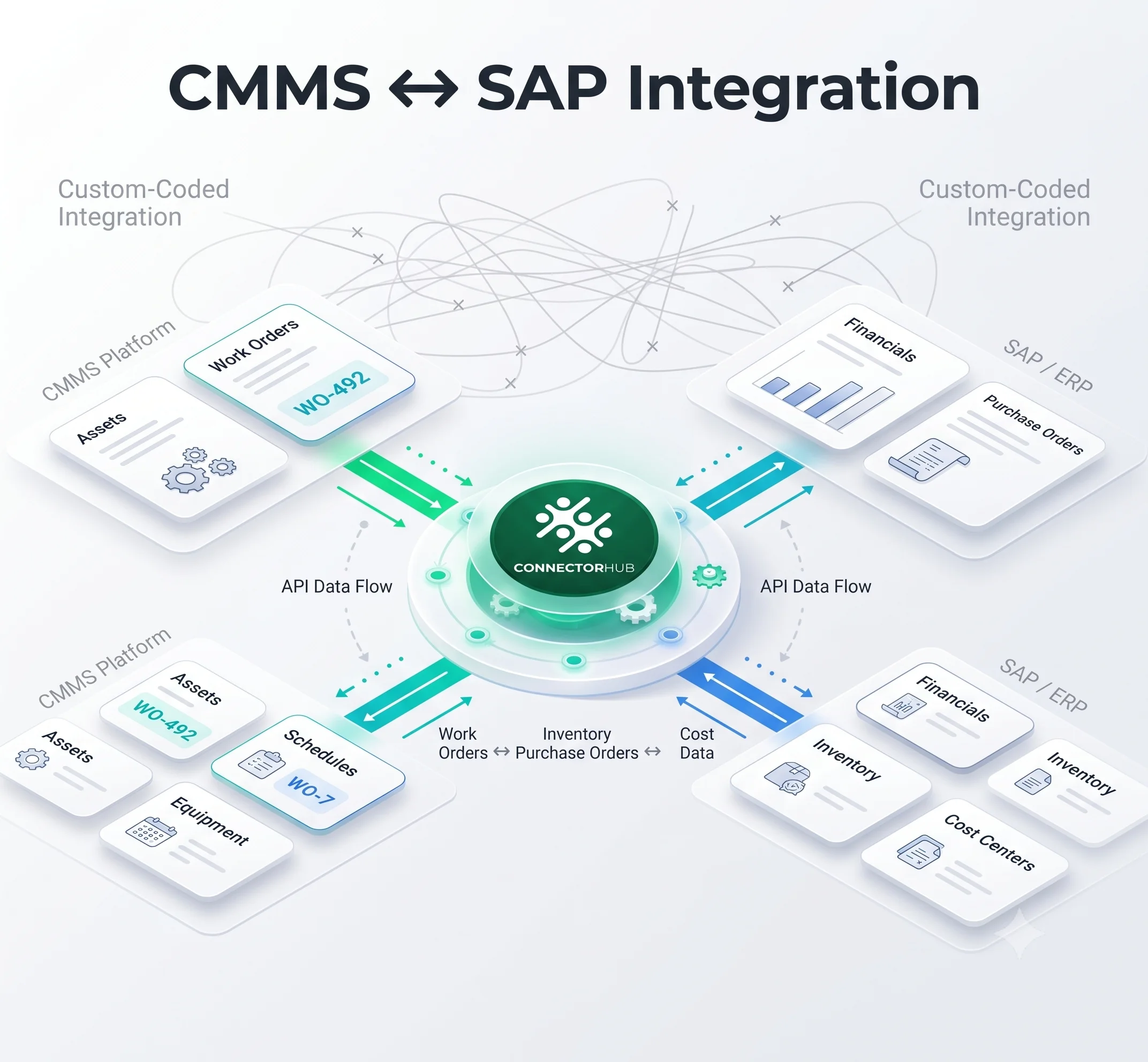
This has resulted in a fragmented landscape of individually created integration solutions, which are increasingly difficult to maintain, and even harder to recreate. In some cases, a small change in one of the systems can cause several failures across all integrations, leading to additional development to fix the issue.
Research indicates that organizations with access to reusable integration assets can save up to 40% of development time. However, many system integration software firms still prefer to use individually created solutions, which are limiting to scalability.
The key challenges with scalability are as follows:
- Instead of reusing existing assets to recreate the same API integration workflows for every new client, rebuilding them from scratch
- Lack of standardized architecture, resulting in inconsistencies across all projects
- Increased maintenance complexity due to tightly integrated solutions
- Lack of visibility across all environments for all clients
Until these underlying issues are addressed, every additional client will increase the complexity of the solution instead of improving efficiency.
Role of iPaaS in Modern System Integration
The introduction of iPaaS solutions has transformed the way in which integration solutions are created and managed. This is because, rather than depending on legacy middleware, iPaaS offers a centralized platform for creating, deploying, and managing integration solutions.
This has helped integration teams move towards integration orchestration, rather than development. The integration solutions are not seen as standalone projects but as part of a larger system.
One of the main advantages that iPaaS solutions have is that they are able to cater to multi-tenant environments. This is especially useful for consulting companies because they are able to achieve this while at the same time being able to cater to individual client needs, along with supporting API-first extensibility for flexible system connectivity.
Building Reusable Integration Templates Across Clients for Ideal Data Sync Management
The need to create integration solutions quickly has been the main driver for using no-code technologies in modern integration solutions. With the help of these technologies, consultants can create reusable integration templates for data sync management without having to write code.
In a multi-client environment, the actual benefit of workflow automation is realized when reusable integration templates are created that are optimized for optimal data sync management. Rather than creating custom solutions for each of the clients, a reusable integration template can be created that is equally effective for all clients.
The reusable integration template can be easily customized through multiple layers of configurations such as client credentials, endpoints, etc. This ensures that integration solutions are managed in a single, centralized manner rather than through multiple, disparate integration solutions.
No-code iPaaS solutions provide this benefit to consultants by offering graphical user interfaces that provide complete transparency and ease of maintainability to complex data sync solutions that would be difficult to understand for non-technical personnel.
This approach can prove especially powerful when working with multiple clients at a time, as speed in troubleshooting and updating becomes a necessity in maintaining the accuracy and synchronization of the information being processed.
Industry research has already established the potential of using automation tools like these in reducing costs by as much as 30%. This, in itself, proves their strategic value in integration processes, as not only do they provide a means of reducing costs, but also of ensuring consistency, eliminating human error, and providing a real-time flow of information.
By embracing the use of integration templates and automation, consulting companies can significantly reduce the implementation times of integration processes, as well as provide a high level of control in maintaining the quality of the integration, which proves to be a core strength in system integration consulting.
Also Read: Evolution of Embedded Integration Platforms: Emergence of Operational iPaaS
Secure Data Mapping and Governance in Multi-Client Environments
With the scaling of integrations, data governance is becoming an important aspect. Each client has different regulatory environments and security needs, which makes it crucial to implement data governance.
A data integration platform that is modern also has to incorporate data governance aspects such as data access, data tracking, as well as data compliance with regulations in the industry.
Data mapping in the integration of data is critical because it helps in the correct transformation of the data from one system to the next, which could otherwise be prone to error as the data is being transformed.
Industry studies have indicated that the average cost of a data breach is $4.45 million on average, as of 2023. This indicates that security is also an essential aspect that has to be considered in the integration.
No-Code Workflow Automation for Faster Implementation
The need to deploy integration in various environments quickly for clients has led to the use of no-code or low-code technologies in integration projects. This enables consultants to effectively use these technologies to standardize integration services for various clients.
In multi-client systems, the significance of effective workflows is based on its ability to provide a flexible workflow solution that can be reused. Instead of writing code according to specific client requirements, a workflow solution can be designed according to business requirements such as data extraction, data transformation, data validation, etc.
This workflow solution can then be extended by various layers of configuration, such as client-specific credentials, API endpoints, etc. This helps consulting teams handle multiple integrations through a unified framework.
No-code tools can also be beneficial in controlling the operation. This is because the use of a visual workflow builder makes it possible to easily understand data flows and execution paths, especially in a multi-client environment.
Studies have indicated that automation tools can help reduce costs by as much as 30%. Therefore, automation is one of the tools that can be used to achieve efficiency in integration projects.
By using automation processes, consulting firms are able to speed up their projects while still being able to control the quality of services delivered.
Also Read: Why Facility Leaders Are Choosing QuickBooks FMX Integrations Over Legacy Systems
Benefits of Scalable System Integrations for Managing Multiple Clients
In the case of integration teams, a scalable Integration methodology might help in making it easier to handle various systems of different clients without necessarily increasing complexity. This is especially true in multi-client systems, where every system has varying requirements and still has to follow standardized integration approach.
It might also help in managing more clients, as it would become easier to handle various integrations through a standard methodology, which would simplify things for the development teams.
Time might also be reduced during development, as a standard system would not need to be created from scratch every time, saving time and effort in development.
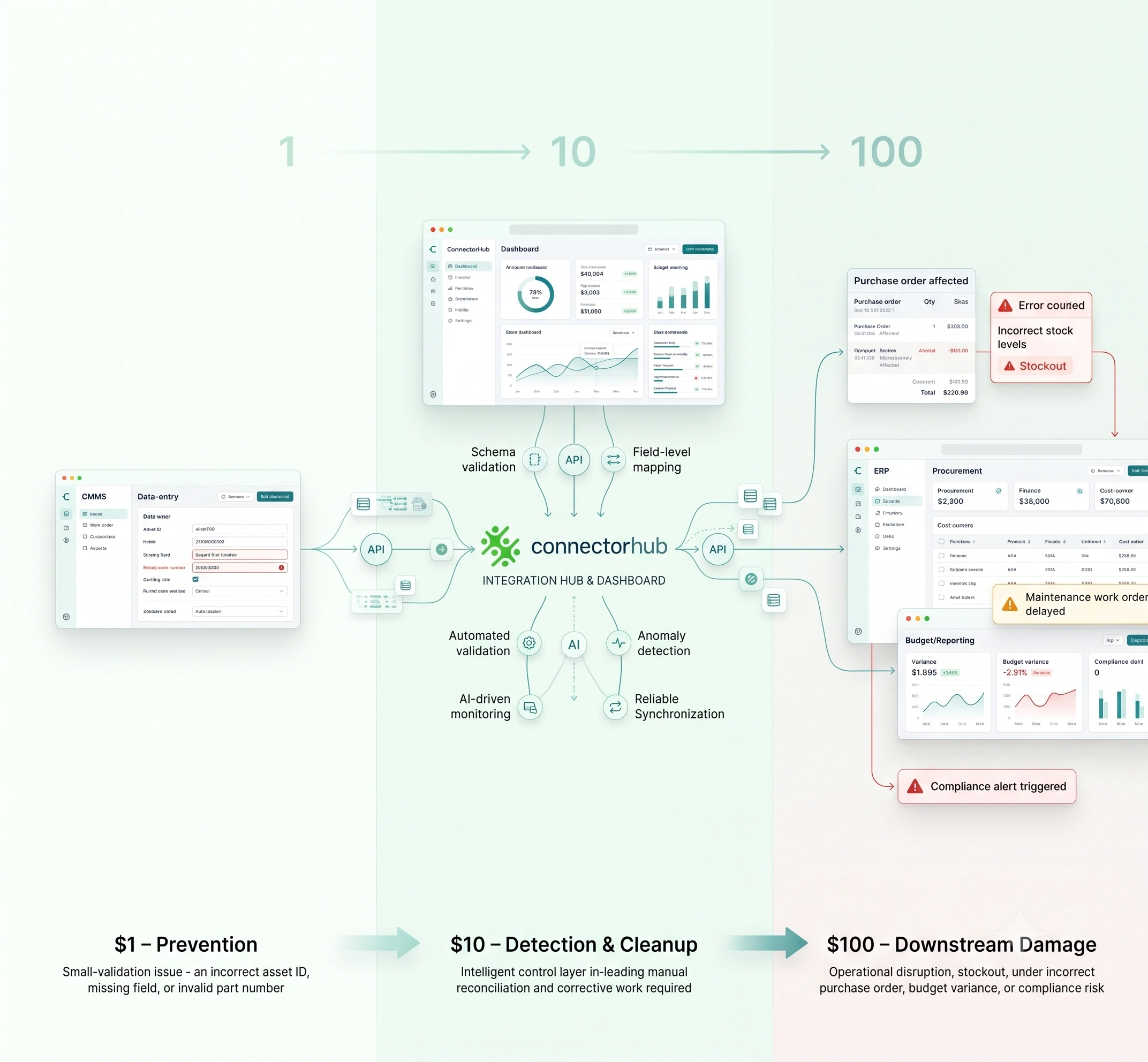
The reliability of integrations can be enhanced, especially due to the ease of monitoring all integrations centrally, which enables better tracking and resolving issues without affecting other integrations.
An effective integration platform offers better visibility for all integrations, which enables better tracking and monitoring of integrations and any issues, failures, and errors associated with integrations in real time, supported by real-time monitoring and alerts.
On the other hand, integrations help eliminate errors associated with duplication, inconsistencies, and inconsistencies between integrations, which enhances better accuracy and synchronization of data and overall system performance.
The key benefits of this approach include:
- Faster onboarding and delivery across multiple clients
- Reduced development effort through reusable structures
- Improved reliability with centralized monitoring
- Better visibility into integration performance and issues
- Higher data consistency with fewer errors
- Increased scalability without added complexity in operations
These benefits help in faster delivery of integrations, higher client satisfaction through performance, and sustained competitive advantage for consulting organizations dealing in large-scale integration projects.
Scaling Multi-Client System Integrations with ConnectorHub
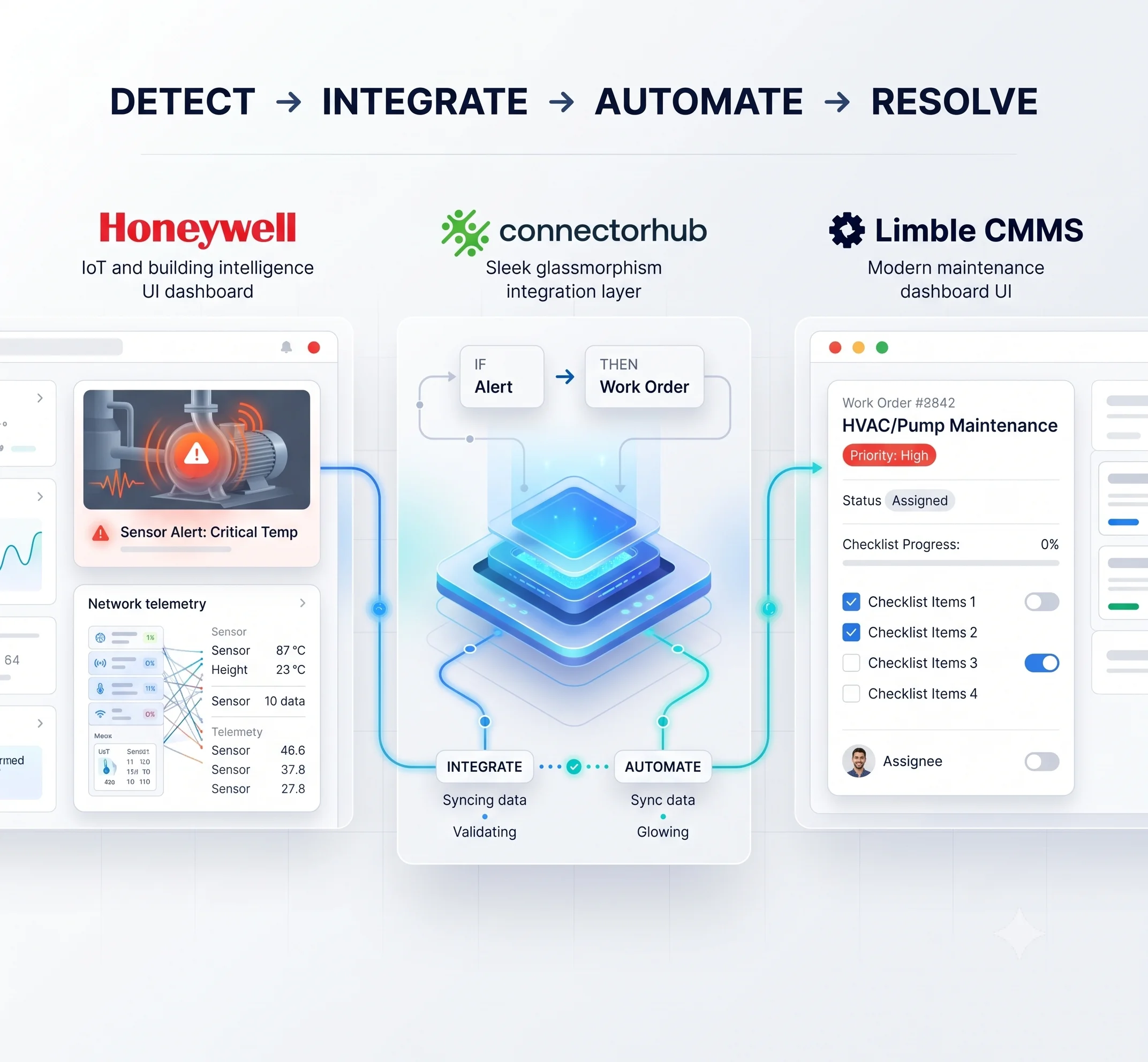
ConnectorHub brings about a structured approach that helps in the management of integrations at a large scale. It helps consulting teams create workflows that are reusable, allowing them to deploy them across multiple client environments.
The platform helps in cloud integration as well, allowing the connection of modern SaaS applications with legacy applications seamlessly. It helps in the smooth flow of data across different environments without any delay or discrepancies.
With the addition of automation capabilities, ConnectorHub helps in the reduction of the need for manual intervention, thus allowing the implementation of integrations in an efficient manner. At the same time, it helps in ensuring that the integrations are managed properly, meeting the needs of individual clients.
With this approach of using the platform, consulting firms are now able to move beyond the traditional approach of integrations, allowing them to grow with the help of a scalable model.
Conclusion
The evolution of system integration is being fueled by the need for scalability, efficiency, and reliability. For consulting and system integration companies, the management of multiple client integrations is now considered a key differentiator.
iPaaS platforms are at the heart of this evolution. By offering the capabilities of reusable templates, data governance, and workflow automation, iPaaS platforms are offering the key to scalable integration strategies.
As the digital ecosystem becomes more complex, the companies that are using structured integration strategies are the ones that are best positioned to meet the needs of the client.
The evolution is evident; successful system integrators shouldn’t just be able to deliver integrations but instead establish scalable system integrations that can adapt with the data sync needs of the business. ConnectorHub attempts to make it easier for enterprises to put this into action.