.svg)
The modern business runs on more than just one suite of software. Teams frequently choose their preferred tools, and most organizations utilize upwards of 100 SaaS solutions, especially in mid-sized firms, with even more in larger ones.
What we often refer to as “software sprawl” empowers teams to have the best tool for every task. However, when these systems aren’t connected, it can lead to data silos that don’t just hinder workflows. Consequently, these hidden costs not only diminish IT budgets but also weaken the bedrock of digital trust.
SLA compliant integrations are now the primary way platform providers can bridge these gaps while honoring their service promises. Service providers are now obligated to guarantee that every API integration, data synchronization, and background task adheres to the stringent parameters outlined in their Service Level Agreements.
For software and platform providers, this is the new baseline for survival: moving from fragmented, manual fixes to a governed, automated integration architecture that scales without breaking.
The Evolution of Service Level Agreements in Operations
Service Level Agreements were originally designed for a much simpler time. In the early days of IT, an SLA was essentially an infrastructure availability contract. It measured basic "uptime" if the server was pingable and the network was up, the provider was considered compliant.
However, the rise of cloud computing and microservices has changed everything. A platform can now have 99.9% infrastructure uptime but still be "functionally down" if its integrations are failing or its data syncs are lagging.
This evolution has sparked a significant move towards Experience Level Agreements (XLAs) and a greater emphasis on service performance. The current Service Level Agreements (SLAs) have moved beyond the basic metrics and now incorporate technical metrics that are in close proximity to the real user experience, such as API response time, synchronization time, and data consistency standards, etc.
For platform providers, this means the need for a multi-tiered approach to SLAs:
Operating Level Agreements (OLAs) - Agreements established between different teams of technical staff for coordination and delivery of services.
Underpinning Contracts - These are contracts with third-party vendors, including cloud vendors like AWS and payment gateways. These contracts need to have more stringent requirements than those offered to end customers and are critical to buffer and maintain reliability and accountability in the system.
What is a Service Level Agreement (SLA) Management Software?
At its core, an SLA is simply an agreement between a service provider and their client that outlines performance metrics, how these metrics are measured, and the repercussions, such as service credits, when these metrics are not met to expected standards. SLA management software provides the necessary framework to turn these high-level promises into measurable technical goals.
However, in today’s multi-platform world, an SLA software connects the gap between the technical delivery of the service provider and the business objectives of their client.
To efficiently handle these aspects, it is crucial to clearly differentiate between the following three key areas:
- Service Level Indicators (SLIs): These represent real-time measurable data that indicate the actual system performance, such as the recorded latency being 150ms.
- Service Level Objectives (SLOs): These represent the internal goals that need to be achieved by the teams, such as the goal to keep the latency below 200ms.
- Service Level Agreements (SLAs): These represent the external goals that need to be communicated to the customers, such as the goal to keep the latency below 300ms.
A well-crafted SLA removes any confusion and clearly defines the boundaries and expectations between the two parties. Without a disciplined process for monitoring these areas, providers can be tempted to use “watermelon metrics”, reports that look good at a glance, suggesting operational systems are in place, while underlying issues such as failed integrations can impact the user experience.
Multi-Platform Connectivity and the "Integration Tax"
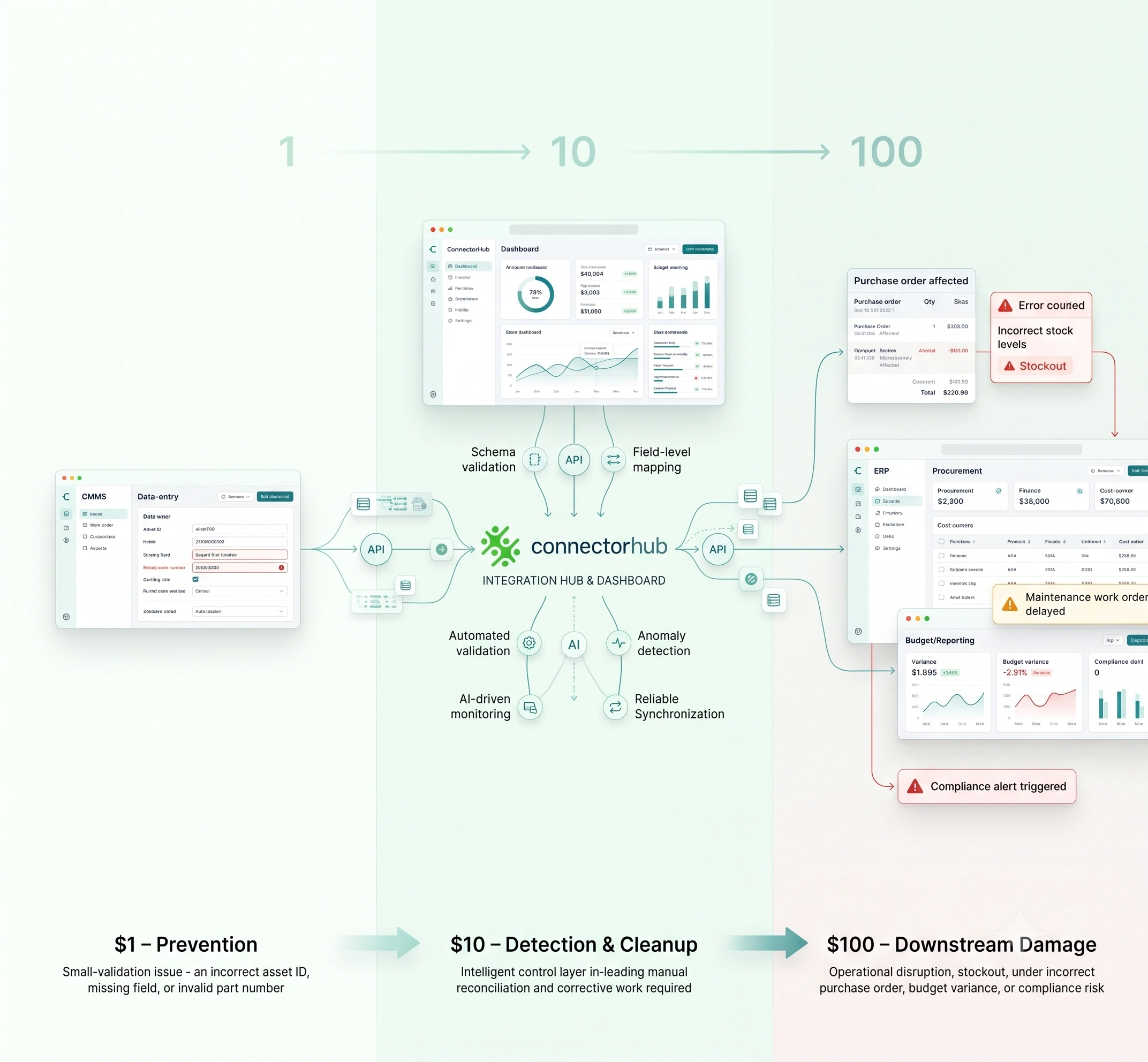
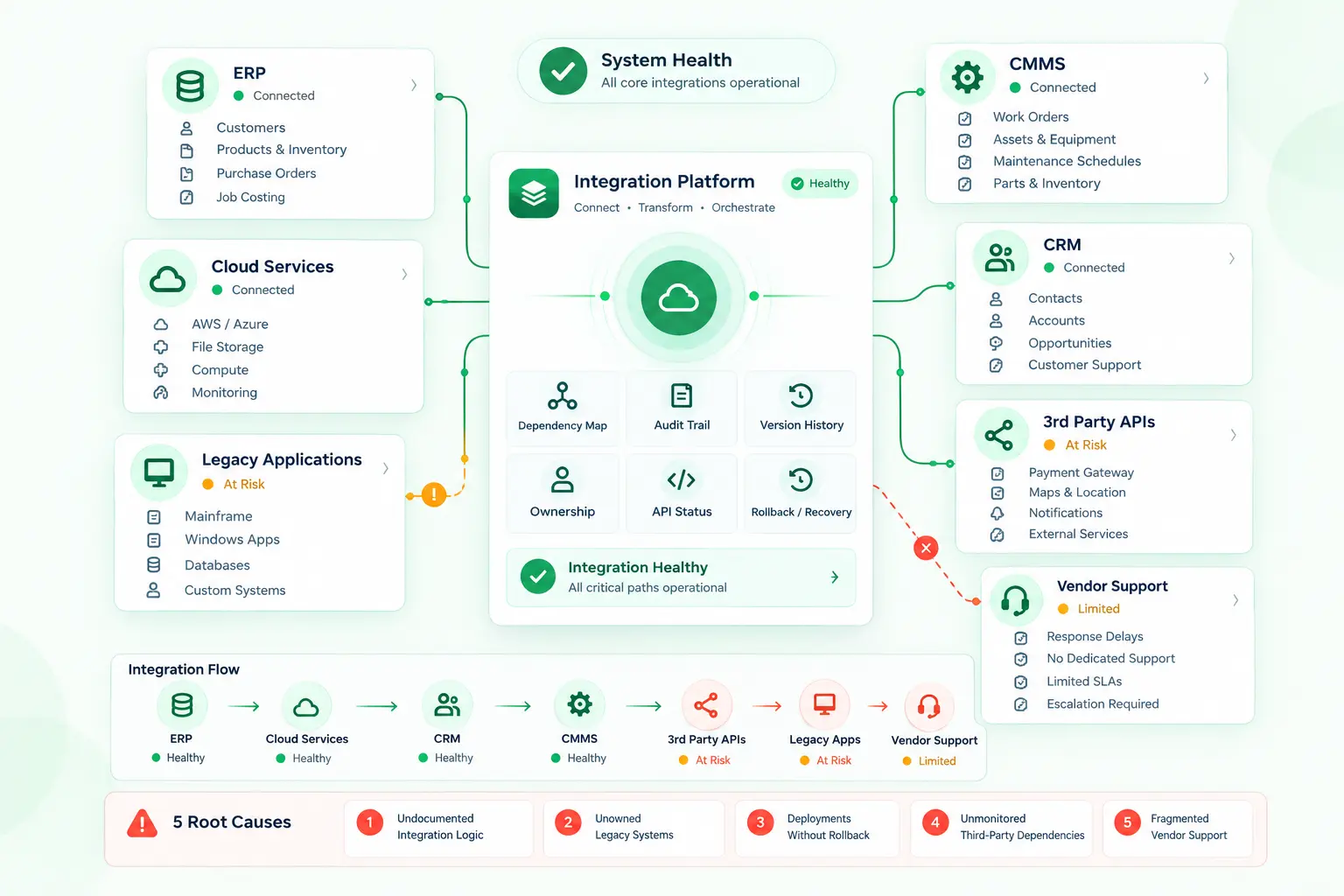
The biggest obstacle to achieving SLA compliance is the increasing complexity of multi-platform integration as a great number of interdependencies can cause a failure in one of the third-party APIs to cascade into a violation of the main platform’s SLA.
This has the unintentional effect of levying a hidden burden on innovation, known as the integration tax, where large parts of the IT budget are diverted from innovation to the maintenance of the weak and often hand-coded integrations.
The tax of integration, therefore, represents a resource drain over years, and the creation of bespoke integrations for applications such as CRM systems and ERP systems can accumulate to a staggering figure, that does no benefit in the long run.
There are various technical issues that are leading to the increasing costs of integration:
- Data Mapping Inconsistencies: Inconsistencies in the definitions of data entities, e.g., where a platform might define a data entity as a "Lead" while another platform might define a data entity as a "Contact";
- Alert Fatigue: Inconsistent and disjointed monitoring tools can cause teams to ignore the one critical alarm that will eventually cause the SLA violation.
- Schema Drift: Changes to third-party APIs can instantly cause integrations to fail, particularly those built with rigid and often brittle custom code.
Architectural Foundations for High Availability
SLA monitoring and reporting becomes the lifeblood of organizations aiming for 99.999% availability, which means that they can have as little as 5.26 minutes per year of downtime.
In order to achieve this, a fundamental shift in the way in which integration is architected is necessary. The traditional methodology of project-based integration, where integrations are built and then ignored, is giving way to the much more modern concept of Managed Integration Operations, or IntOps.
In this concept, each integration is seen as a living, breathing service that is constantly monitored, and in order to achieve a 99.999% SLA, the architecture must include:
Making a minor change, such as increasing the availability from 99.9% to 99.99%, can reduce the amount of monthly downtime substantially, from 43 minutes to just 4 minutes.
The Role of AI in SLA Enforcement
Artificial intelligence is transforming SLA tracking software into not just tools that solve problems, but rather tools that can prevent problems from occurring in the first place. In today’s complex and multi-platform world, it is not possible for human teams to monitor all data interaction. Intelligent systems can now utilize artificial intelligence to evaluate historical performance trends, ticket complexity, and even customer sentiment.
By utilizing predictive analytics, these systems can now give teams four hours’ notice prior to an SLA breach. Furthermore, we are seeing the rise of Agentic AI, that are autonomous agents that don't just alert a human but resolve the issue themselves.
For common scenarios, an AI agent can:
- Automatically reassign a high-risk support ticket to a more senior engineer.
- Trigger a "self-healing" workflow to restart a hung integration service.
- Send a proactive update to the customer explaining what is being done before the customer even notices the delay.
Diving into the Security, Governance, and the MSP Perspective
By 2026, regulations like the AI Act will require organizations to prove they have complete operational control over their third-party ICT providers. This is shifting the focus of SLAs from simple performance to include security and governance audits.
For Managed Service Providers (MSPs), SLA enforcement is a matter of protecting their margins. If an MSP fails to meet an SLA, they owe service credits but if they can prove their third-party vendor was the cause of the failure through compliance reporting automation, they can pass that liability on.
Implementing a Zero Trust policy, in which each and every access request is authenticated regardless of its origin, guarantees secure integrations without compromising on the stringent 99.999% availability requirement.
A Roadmap for Ideal Implementation of SLA-Compliant Integrations
No-code SLA automation has been identified as the de facto option for service providers wishing to deliver complex integrations in a timely manner without requiring significant development resources.
Organizations using no-code solutions report a consistent achievement of a 90% reduction in development time, thereby transforming what could take months into what can now take mere days.
The following is a step-by-step roadmap for building a compliant and scalable integration platform:
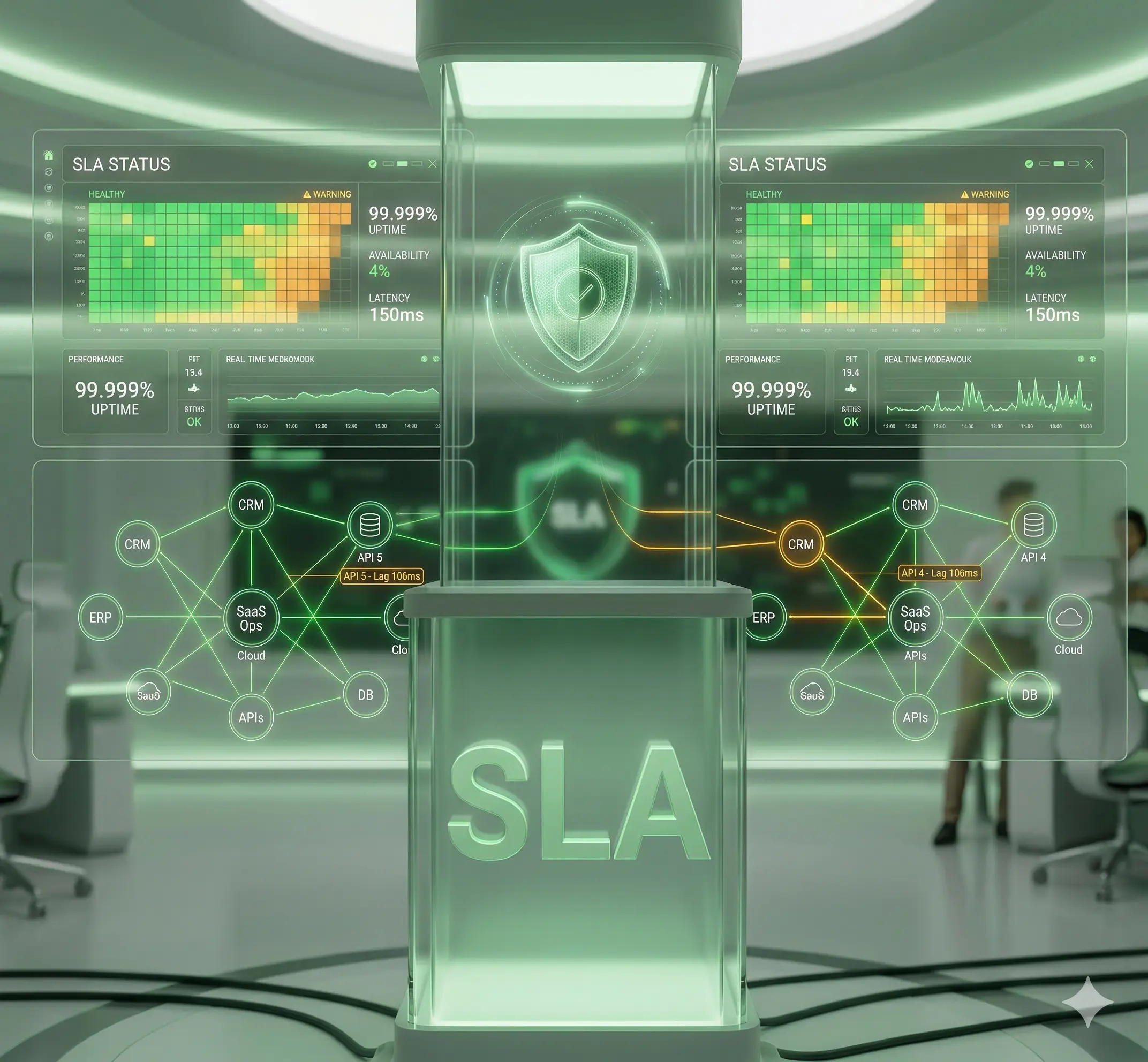
SLA metrics visualization is the final piece of the puzzle. Color-coded status indicators and operational heat maps provide managers with instant understanding of where system pressure is occurring. If a region is within its designated target deadline by as few as five minutes, the system will turn amber, allowing for proactive routing to ensure flawless compliance.
Also Read : Top 5 Integration Challenges Draining Your Operations Team (And How to Fix Them)
How ConnectorHub Makes It Easier to Achieve SLA-Compliant Integrations
SLA-compliant integrations demand strong architectures, monitoring, and governance. Scaling these processes across multiple applications is another major challenge. In this context, an integration tool like ConnectorHub can provide an easier route to integration management.
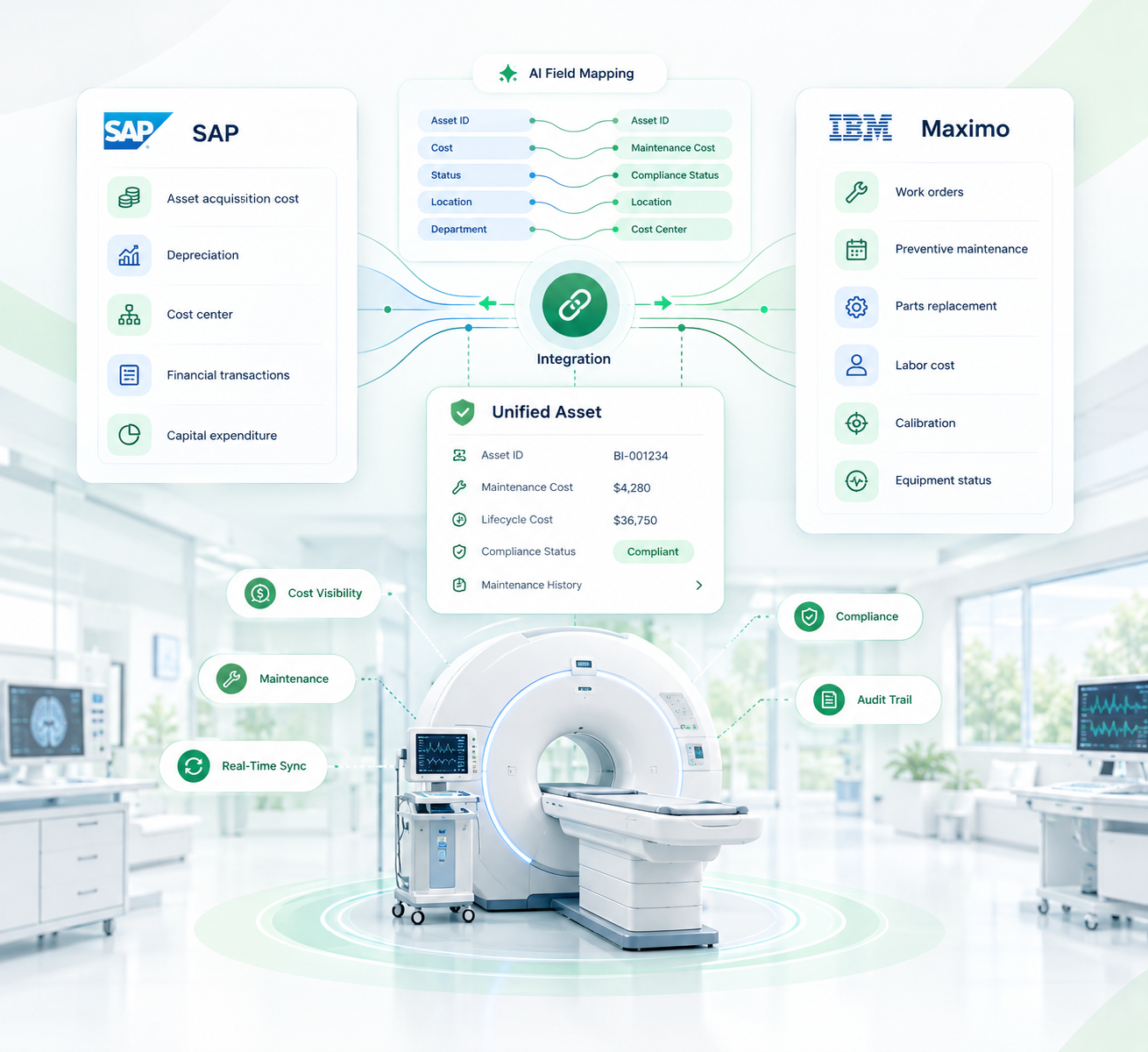
Since it is a no-code tool for enterprise automation, ConnectorHub helps in establishing effortless integrations between applications like CMMS, ERP, CRM, and other third-party applications. This helps in replacing error-prone integrations using a standard approach. Users can create, implement, and manage integrations using a visual approach and pre-built connectors, which are AI-driven and do not require code.
The tool has been designed to cater to the operations based on SLA. It offers real-time dashboards, alerts, and performance metrics to identify potential disruptions in the integration process along with governance capabilities such as field mapping validation, workflow versioning, audit trails, and permissions.
For service providers and vendors who offer various software applications and have multiple integrations, ConnectorHub is an integration center. It helps avoid the complexities of multiple point-to-point integrations using reusable workflows, which reduces the time to deploy and increases consistency, compliance, and reliability, ensuring service level agreements are met in all interactions.
Conclusion
The future of multi-platform operations will be based on the concept of autonomous integration. This means that the shift from the concept of individual ‘integration projects’ to the framework of interoperability will allow data to flow freely across different systems while still being protected through the framework of ‘intelligent’ controls. In this regard, reliability is engineered into the system rather than being left to chance.
Those organizations that treat the issue of SLA compliance as a key aspect of their strategy will be able to benefit from the advantages that go beyond the avoidance of penalties. This will help build digital trust, facilitate the closing of deals, prevent customer loss, and improve performance compared to the competition that is still stuck in the old ways of reactive and manual troubleshooting.
By bringing together the concepts of no-code SLA automation, predictive AI, and the discipline of Integration Operations through pioneering integration as a service platforms like ConnectorHub, one is able to move beyond the management of data to the point where the data is able to grow autonomously.