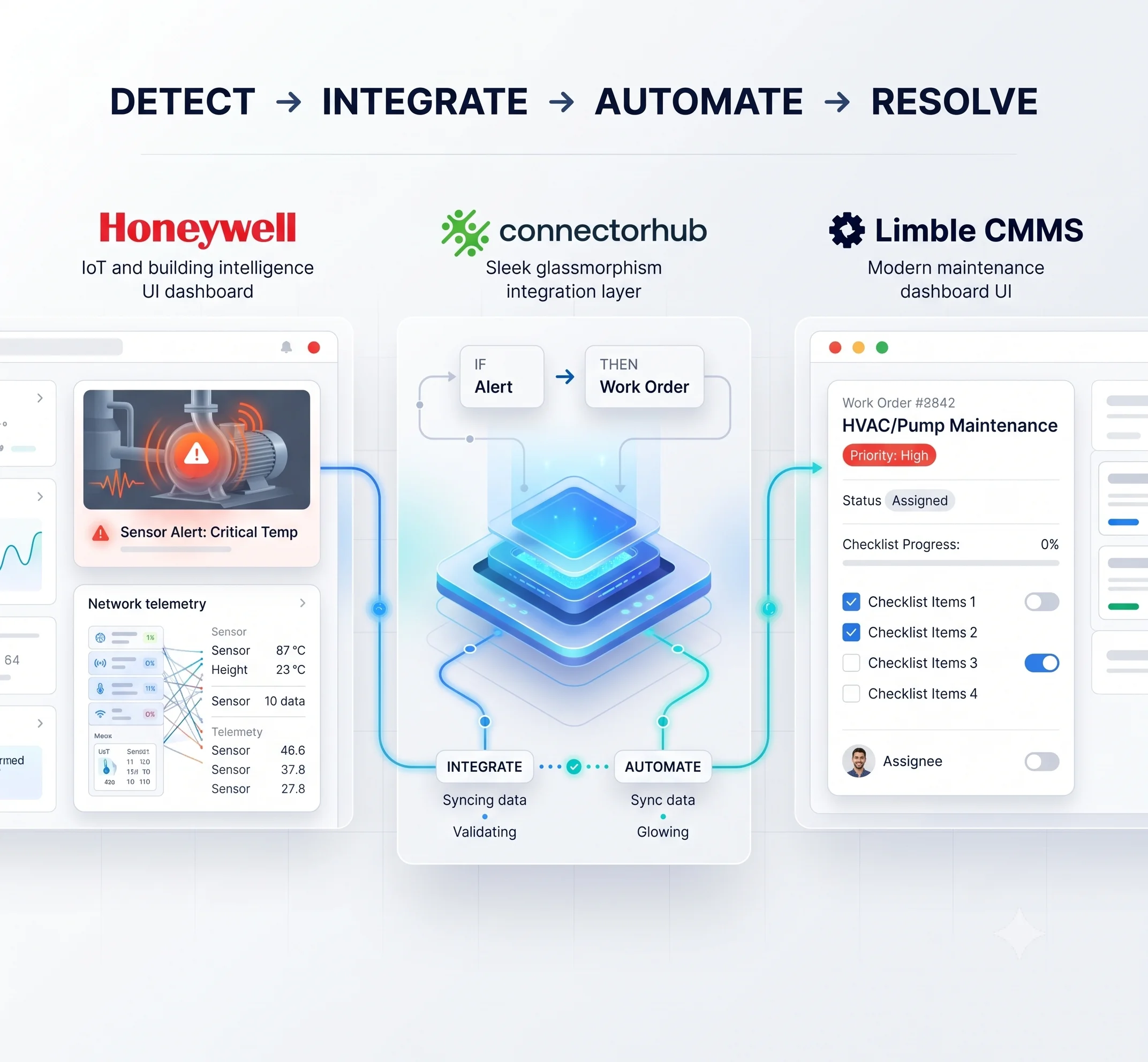
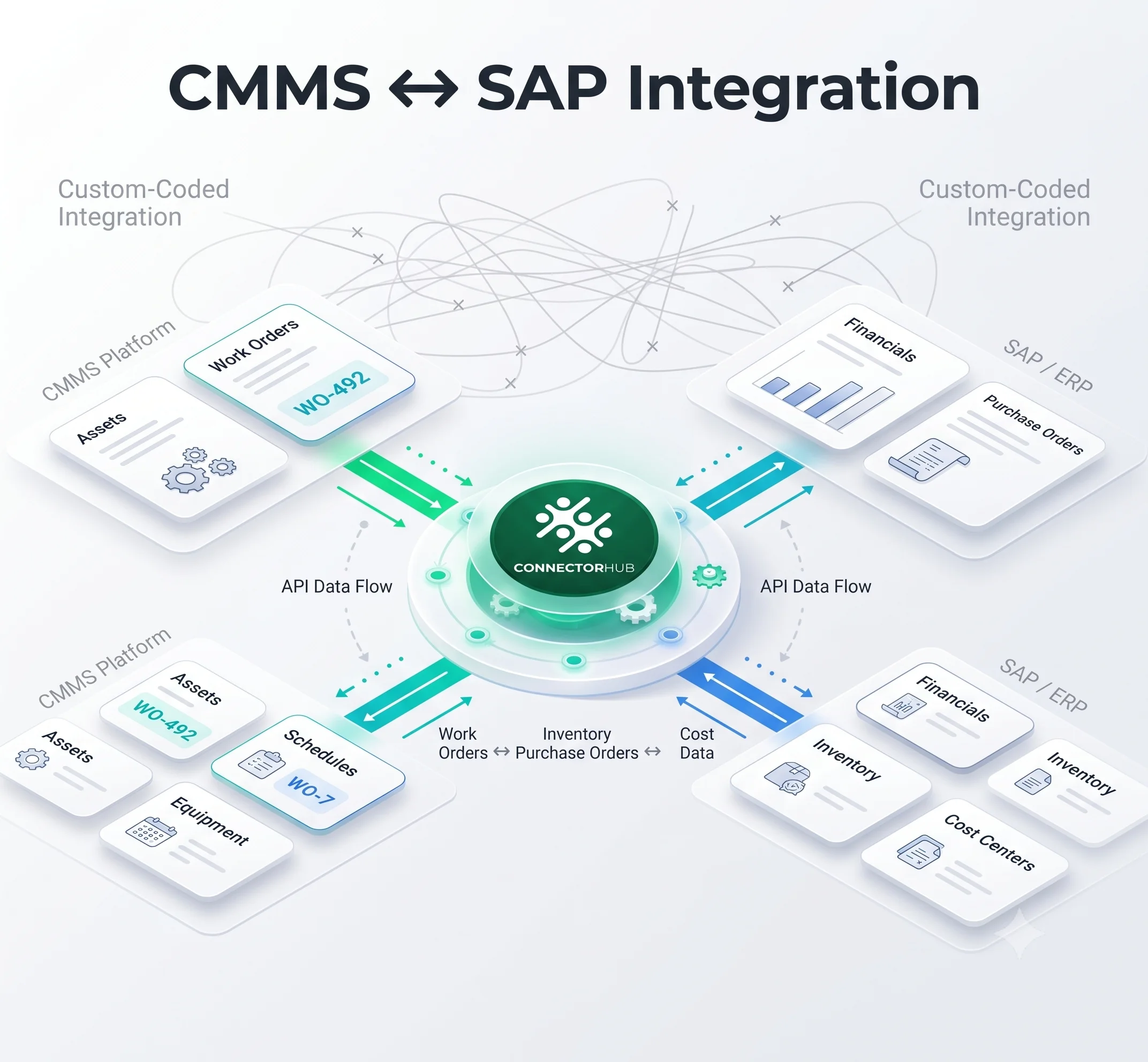
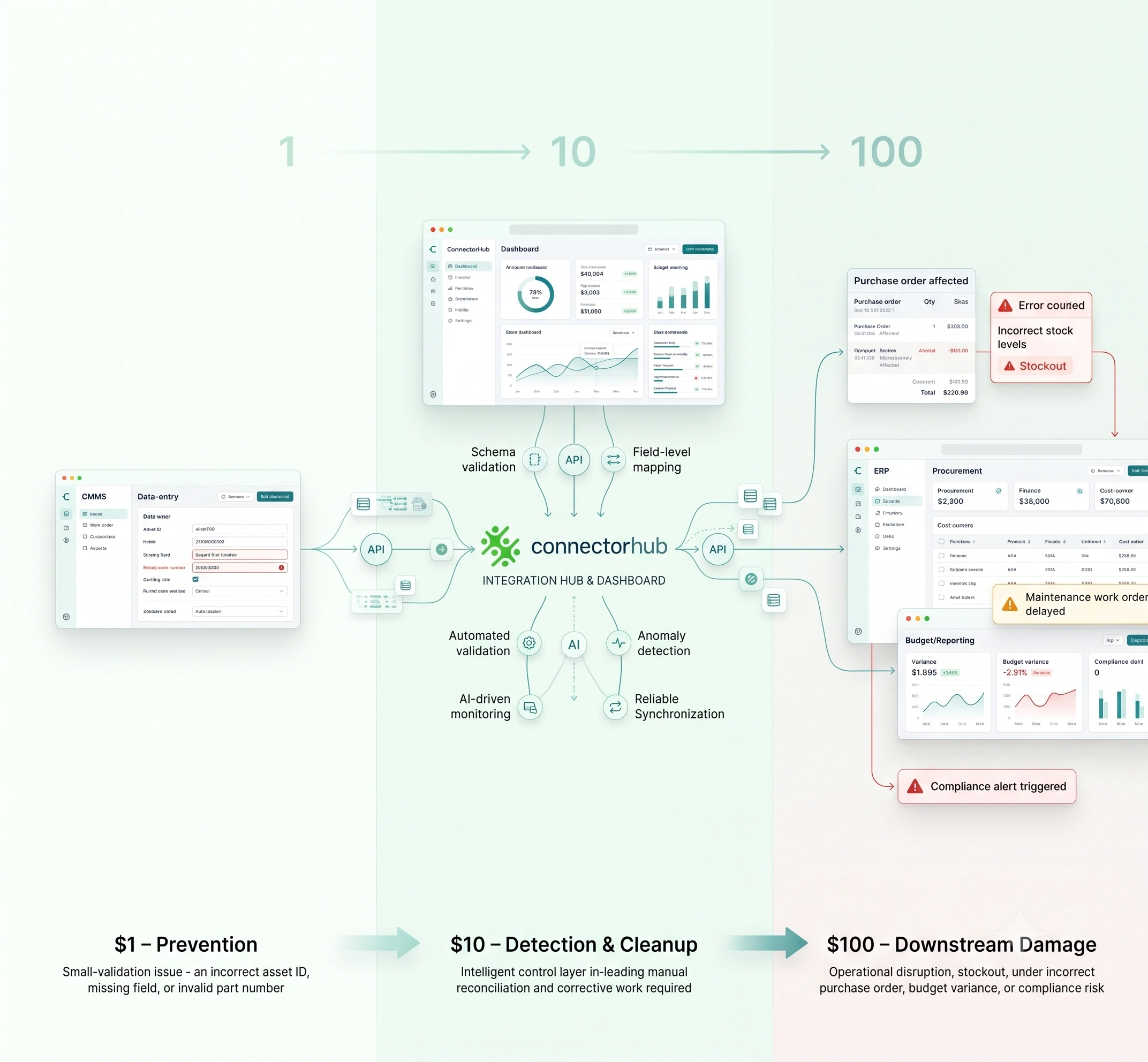
.svg)

As SaaS industries gain traction with their products, the pattern observed is that the target customers stop treating integrations like a polite “nice-to-have” and start putting them forward as an inherent feature. Suddenly they are make-or-break. In fact, system integrations now come up in 60% of all B2B sales conversations, and 84% of buyers see them as a key requirement or a total dealbreaker.
Yet most teams are still stuck doing it the age-old, hard way with disparate systems handled with manual workarounds that quietly burn through developer hours and slow everything down.
As integration requests grow in volume and complexity, things need to change as the current scenario already keeps the engineers trapped in endless loops of fixing custom connections instead of improving your core product.
Innovative SaaS companies are learning to shift to stay ahead. And, how do they intend to do that? By leveraging modern embedded integration capabilities to stay agile.
Here, we will investigate how to deploy AI middleware in SaaS environments, select the right system integration software, and unlock enterprise data automation, all without hijacking your product roadmap. Whether you are just feeling the pinch or losing enterprise deals to integration gaps, these strategies will help you scale faster.
A Quick Look at SaaS Integrations
What is integration for SaaS ecosystems? It is the effort that needs to be made so as to enable these applications to talk to each other and exchange their data with ease.
Think about how much time and effort you would save without having to copy and paste information from application A to application B. This is exactly what SaaS integrations can offer you!
When it comes to connecting applications, five distinct approaches have become the industry standard. While each approach has its own set of pros and cons, it ultimately comes down to choosing the one that best fits your company’s current stage of development.
- Build integrations from scratch to develop custom integration logic for every external system’s API interface, taking care of the authorization, token management, retry policies, rate limiting, mapping, logging, etc., all within their own codebase. While providing the most control and product fit, this approach takes the longest to implement and maintain when dealing with many connections.
- Use an embedded iPaaS that enables the inclusion of customer integration capabilities by using either a white-labeled builder or embedment of a layer within the application itself. This approach allows for quick configurability of the workflow and the management of connections from behind the scenes.
- Use a unified API to provide standardized access to all members within that category (CRM or HRIS), where one connection works for many applications. This makes maintenance easy and quick adoption possible, although there may be certain functions requiring passthrough.
- Use an API infrastructure platform offering the interlinking of the necessary process elements such as authorization, tokens, retries, scheduling, webhooks, while allowing direct interaction with the source APIs. This reduces the infrastructure effort required by organizations that need code first control but don't want to start from scratch.
- Use a hybrid model as the hybrid approach blends with an API that is universal to handle all categories and APIs that call through to handle edge cases. This system ensures that there is a balance between performance and customizability as the product evolves.
Teams integrate applications in such a way that enhances operational efficiency. For instance, a CRM integration ensures that all lead information is exchanged without disruptions from your CRM to a marketing automation application to ensure consistency in sales and marketing operations.
Yet another common pattern is where the project management software integrates with the communications software such that any newly added tasks automatically create Slack groups or appointments on the calendar.
With e-commerce or billings-focused SaaS, cloud integration between order management and accounting software allows for immediate invoice generation and current reporting.
HR and payroll professionals often streamline onboarding processes whereby employee information automatically enrolls them in benefits and provisions their access to various systems. This proves that by incorporating API integrations, isolated functions become integrated features that the customer simply cannot do without.
The Core Problem: Prevailing Engineering Bottlenecks When Scaling SaaS Integrations
As customer demand grows, the intricate costs of keeping integrations running start to compound. Custom builds that once seemed straightforward quickly become fragile when APIs change without warning. Developers find themselves investing additional time debugging authentication tokens and dealing with rate limiting instead of delivering new product features.
Support teams receive multiple tickets regarding faulty data pipelines, whereas product development schedules continue to be pushed back due to every new connector request battling for the same scarce developer resources.
On a greater scale, this forms a self-feeding cycle: the more clients, the more integrations, the fewer hours available for innovation. The result? Slower pace of innovation, higher churn, and frustrations all around.
Why Traditional Approaches Fail at Scale
Building integrations in-house gives you complete control at first. But it won’t be long before maintenance becomes a huge problem. Changes in an API, authentication processes, or any other breaking changes will require code modification and testing. High volume environments would also involve managing the infrastructure that handles all those things.
Ready-to-use solutions may seem like an easy choice, however, off-the-shelf solutions would still be leaving you hard-pressed to find customization options. This isn't simply about cost; rather, it's about time and effort that would be wasted on making sure everything fits together perfectly, rather than doing something different.
Traditional integration platforms are built for internal team use connecting systems behind the scenes for your own operations. Embedded iPaaS flips this model with single source data unification. It lives inside your product as a white-labeled feature, letting customers configure and activate their own connections without ever leaving your interface.
This customer-facing design removes the need for constant engineering hand-holding while giving you full governance and audit control over the experience and data flows.
What Is Embedded iPaaS and Why It’s the Smart Choice for SaaS in 2026
Embedded iPaaS is an infrastructure that lets you offer powerful connections directly within your SaaS application. Customers will get a sleek, branded solution that allows them to explore, create, and maintain integrations without ever having to contact your support team or requiring your development team to create a unique solution.
This seems like you are being provided with a box of all the required tools for the purpose of integration together as one unit, including drag-and-drop designers, ready-made connectors, security authentication, monitoring capabilities, and many other similar options.
In 2026, your customers will expect your SaaS to integrate easily with their current technology stack. Embedded applications will allow this, providing the same level of integration but without the need for any traditional development work.
These advantages create a durable competitive moat that deepens with every active connection.
How Embedded iPaaS Works Behind the Scenes
The modern platforms integrate visual tools to create designs with strong backend support. In this process, you select your triggers and actions with ease; there is no need for complex coding to build most processes. Authentication will be taken care of, and tokens will be refreshed.
The data flow is processed in a manner that involves the intelligence of AI-driven data mapping to accurately match the fields, despite the schema difference between the systems. Automated monitoring is also involved, which helps detect errors and automatically corrects them without manual interference. From plain data pipe operations to smart data processing, integration processes may also involve AI in integration automation.
This under-the-hood intelligence, paired with anomaly detection in workflows, keeps everything running smoothly at enterprise scale.
SaaS Integration Strategy: Planning, Getting Started & Best Practices
Start by auditing the tool sets of your most important customers. Determine which integrations are required from support tickets, product usage analysis, and customer feedback. Prioritize based on potential financial benefits, churn reduction, and ease of integration.
Don't begin coding before understanding use cases for your integration. Ask the right questions to examine this.
- Which information should be exchanged?
- When does this information need to be exchanged?
- Why is it being exchanged?
Consider your needs in terms of scale: if you only require a few integrations, try implementing native integrations, but if you require many more, go for embedding. Monitor performance of each integration from the start and keep track of metrics related to adoption, error rate, and business impact.
Best practices include good data governance and testing of the connection between systems. Always treat integration as a product feature and not a development project. Iterate by adding new customers in phases.
How ConnectorHub Is Built Exactly for this Challenge
ConnectorHub was designed from the ground up as a data integration platform for SaaS teams that are feeling the strain of scaling integrations without scaling the development activities.
Its no-code visual builder lets you design, deploy, and manage workflows with API-orchestrated connectors, while predictive maintenance automation and live performance tracking keep everything running reliably.
Authentication, retries, rate limits, and monitoring are handled behind the scenes, so your engineers aren’t pulled into constant maintenance cycles.
What makes it especially effective at scale for SaaS companies is how it combines flexibility with control. You get access to pre-built connectors for common systems, while still being able to customize workflows for specific customer needs. This means you can support both standard use cases and edge cases, without rebuilding everything each time a new request comes in.
Also Read: Systemizing Healthcare Billing Through Data Integration Solution Between EHR and Revenue Cycle Management
ConnectorHub also fits naturally into a SaaS product environment. Its embedded, white-label approach allows your customers to set up and manage their own integrations directly within your app.
Whether you are dealing with growing enterprise demands or trying to close deals in the PropTech space, facility management, or any other sector where integrations are rising to becoming a deciding factor, ConnectorHub can help you leverage your integrations as a growth driver. Explore how it works or book a quick demo to see it in action.
Conclusion
Scaling integrations does not necessarily require increased engineering manpower and the associated maintenance woes. Rather, by moving towards embedding and intelligence, SaaS organizations can enable their users to have well-designed integrated experiences while keeping development focused on what truly differentiates the product.
In 2026, the top firms would be those which realize the value of incorporating software integration services into their organization. Instead of being limited by the inefficiency of basic scripts and basic connectors, these companies have gone beyond to embrace smart automation. iPaaS solutions like ConnectorHub simply becomes a technology enabler on this journey.
For any team in SaaS companies facing mounting pressure to integrate their operations, this is clearly an opportunity for them to convert enterprise data flows into a key enabler of sustainable growth and customer retention.