.svg)

Machines don’t wait for people to coordinate. When a production line halts or a maintenance ticket sits unresolved, time leaks. In most companies, the cause isn’t lack of skill, it’s noise between systems.
One platform tracks assets, another logs parts, a third handles vendors. Each system speaks its own language, and humans act as translators. That gap is where service operations lose their rhythm. Work gets duplicated, data drifts, and small errors turn into lost revenue.
What should be done? Clean, connected movement between systems. That’s the role of integration software: link every digital piece so information travels without a middleman.
Even though the benefits are widely recognized, adoption remains slow. This hesitation is surprising, especially when the outcomes are clear: organizations that invest in system integration see an average ROI of 299% over three years, with some reporting returns as high as 354%.
However, service delivery processes also become more intricate. Hybrids, AI-driven expectations, and multicloud environments challenge teams to more with less. Without the right level of integration, problems stack up, and this increases costs and hampers agility. This is where the field service integration platform comes to the rescue because this platform is essentially a connected and intelligent digital environment. This environment offers the use of cloud infrastructure to integrate applications and offers a more efficient way to deal with service lifecycles.
Common Friction Points in Modern Service Operations
Most service operations do not become complex overnight. They grow incrementally. One team uses a scheduling tool, another relies on its own ticketing system. Procurement works in a different platform, inventory sits somewhere else, and reporting often falls to spreadsheets manually pieced together by an analyst.
This patchwork approach can function when volumes are low. But once service requests, assets, or locations cross a certain threshold, the cracks start to show. Each transaction begins to require repetitive copy-paste across systems, manual reconciliation, and constant follow-ups. What once felt manageable slowly turns into operational drag.
At this point, the same issues start showing up again and again.
- Data silos and poor visibility
Service teams depend on connected systems like CRM, ticketing, monitoring, and asset management. When these tools don’t talk to each other, data stays scattered. The result is partial insights, slower decisions, and no clear view of service performance from start to finish.
- Manual work & slow workflows
Even routine tasks, like the processing of incidents, access, approvals, and status updates, involve human intervention extensively. This leads to delays, inefficiencies, and keeps expert teams engaged with mundane tasks instead of more strategic activities.
- Alert Overload and Slow Resolution
With regards to volume, in a high volume setup, the notifications that flood the system arrive in a context-free manner, without any correlations. This leads to critical problems being masked by the presence of numerous noisy notifications, all of which increase the Mean Time to Resolution.
- Scaling, compliance, and change become harder
Scaling, compliance, and change become more difficult With increasing operations in hybrid models and various vendors, it becomes challenging to ensure standard security, governance, and compliance. Methods tend to diverge, controls falter, and unknown risks begin to accumulate.
Integration research consistently identifies this phase as a tipping point. Disconnected growth begins to translate into measurable operational inefficiencies. Benchmarks published by Albato highlight fragmentation as one of the leading reasons automation initiatives stall within service organizations, not because teams lack intent, but because their systems were never designed to work together.
How System Connectivity Resolves Service Lifecycle Constraints
1. Eliminating Data Silos for End-to-End Awareness
iPaaS helps integrate old as well as new systems and services, allowing a flow of information between systems. The leaders of the organization can have a clear view of the service lifecycle as they will have accurate information.
2. Automating Workflows to Boost Efficiency
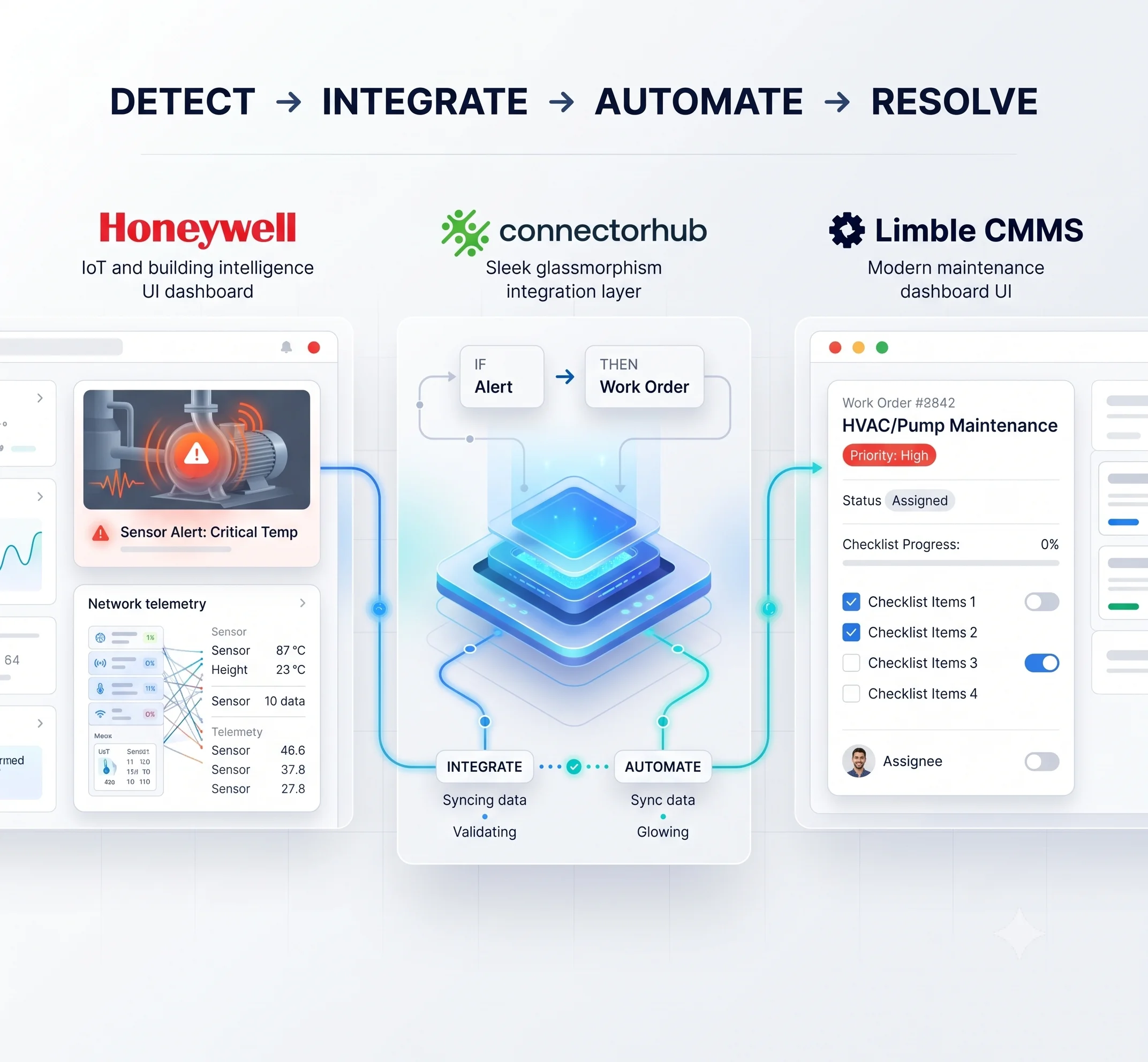
After that, once the systems are interconnected, the amount of human labor diminishes. Provisioning, notifications, along with approvals related to service requests, become fully automated. Therefore, faster issue resolutions, error correction, and redirection of employees to higher-level activities become possible.
3. Cutting Through Alert Noise for Quicker Resolutions
With event-driven integration, one can better identify patterns, focus on high-priority messages depending on their impact, and act early when events occur. This ensures there are fewer interruptions, the MTTR decreases, and instead of firefighting, the focus shifts from reaction to prevention.
4. Supporting Scalability and Compliance
iPaaS enables scalable growth with flexible scaling, embedded security, and governance. Its functionality includes support for environments that are hybrid, protecting data integrity and helping to ensure that the entire team is aligned regarding the ever-changing technology and regulatory requirements.
In practice, this leads to quicker onboarding, earlier issue detection, smoother collaboration across teams, and stronger service reliability, all of which improve customer experience and operational resilience.
The Difference Integration Makes
That’s the difference between chaos and clarity in your service industry workflows.
Delaying integration carries its own expense. Companies that postpone connection pay through inefficiency and burnout. Disconnected tools also drive up costs. IT spend can rise by as much as 35%, nearly a quarter of employee productivity gets lost, and time to market can stretch to almost twice that of competitors with well-integrated systems.
The work still gets done, but the effort per outcome grows heavier each year. The difference compounds quietly over time. By contrast, organizations that invest early in integration software maintain leaner teams and steadier output.
Future of Service Work Ushered by Integration Mechanisms
Workflows that once depend on manual handoffs start running on their own, reducing delays and removing the friction that slows service teams down.
Some of the fastest improvements show up in core service operations:
- Field Service Coordination
Technician updates automatically sync across dispatch, customer support, and billing systems. Status changes are visible everywhere at once, eliminating re-entry and follow-up calls.
- Procurement and Inventory
Stock usage updates inventory in real time and triggers purchase approvals where needed. Finance gains instant visibility into what was ordered, when, and for which job.
- Customer Communication
Service progress updates flow directly to customers as work advances, rather than waiting for manual emails or end-of-day summaries. This keeps expectations aligned and reduces inbound status queries.
- Compliance Logging
Each completed task feeds audit trails and compliance records automatically, ensuring accuracy without adding administrative effort.
The impact is higher throughput, fewer errors, and more predictable service outcomes, providing real operational insight that builds observability into every connection, so issues surface before users feel the consequence.
Integration service provider workflows will act as the connective tissue, linking specialized apps into a single operational current. That is the real transformation.
ConnectorHub: No Code Platform for Field Service Automation
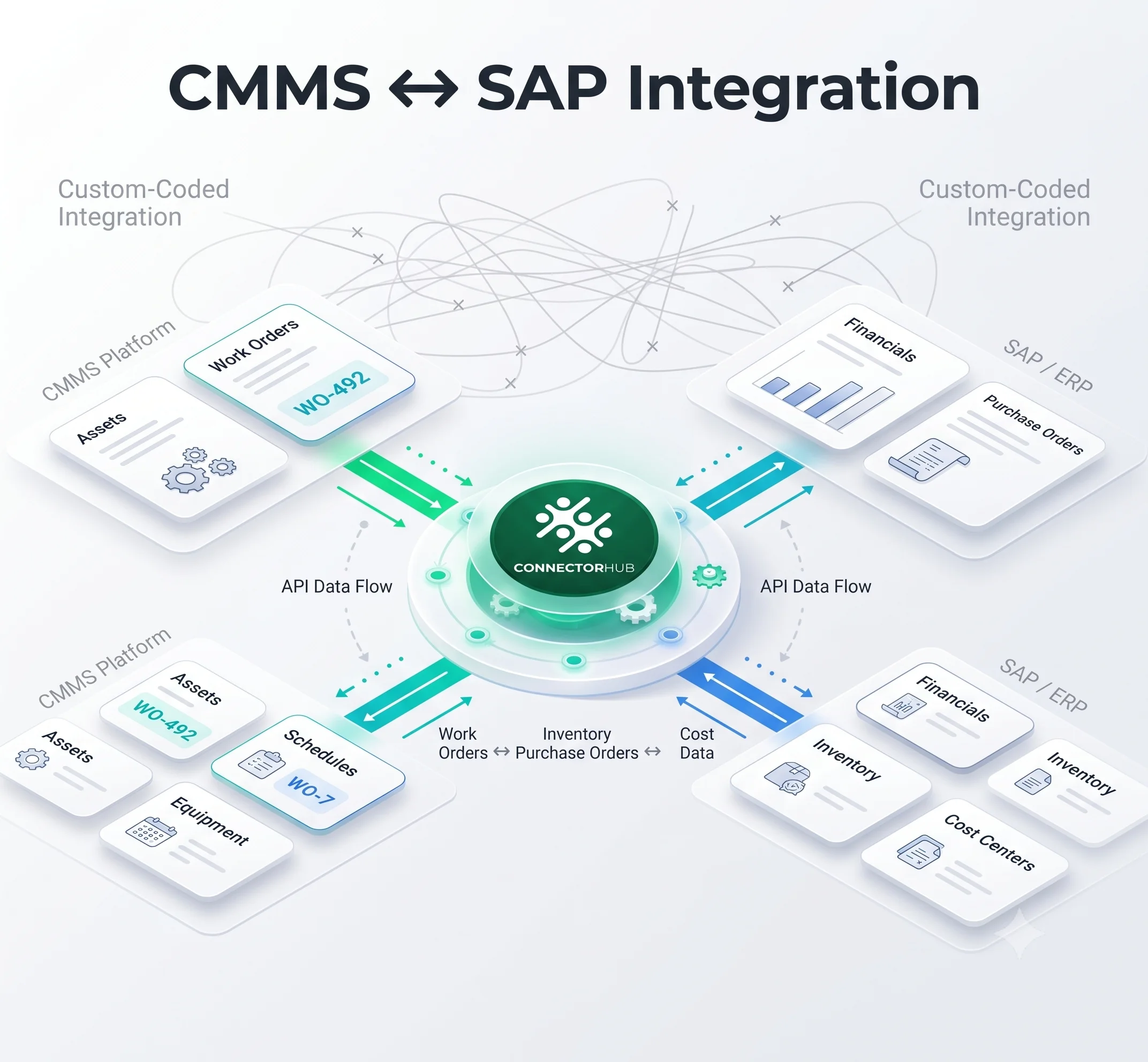
Among platforms built for this purpose, ConnectorHub stands out because it thinks in workflows, not code. ConnectorHub handles system to system integration through pre-configured connectors that cover most enterprise apps, ERP, CRM, CMMS, ticketing, and procurement systems. Key players using ConnectorHub build integration service provider workflows once, then reuse them across clients.
- Define Success Through Strategic Metrics
It begins with the identification of specific outcomes that signal progress for your business. Rather than the simple act of moving data between systems, we focus on results that your leadership team cares about: speeding up deals, lowering customer acquisition costs, and helping teams achieve more with the resources they already have.
- Unify Your Core Tech Stack
ConnectorHub helps bring disconnected platforms together into a single, cohesive setup. It syncs your core marketing tools, customer relationship management systems, and loan origination platforms so everything works in step, not in silos. Whether you rely on Salesforce, HubSpot, Arive, or Encompass, we ensure these powerful engines are fully aligned and communicated effectively.
- Eliminate Operational Chaos with Automation
Manual data entry and departmental silos are significant barriers to scaling. Our integration framework facilitates instantaneous transfer of information across your entire organization. By automating these workflows, we provide every team member with access to identical, up-to-the-minute information, effectively establishing a universal "source of truth."
- See the Big Picture with Clear Visualization
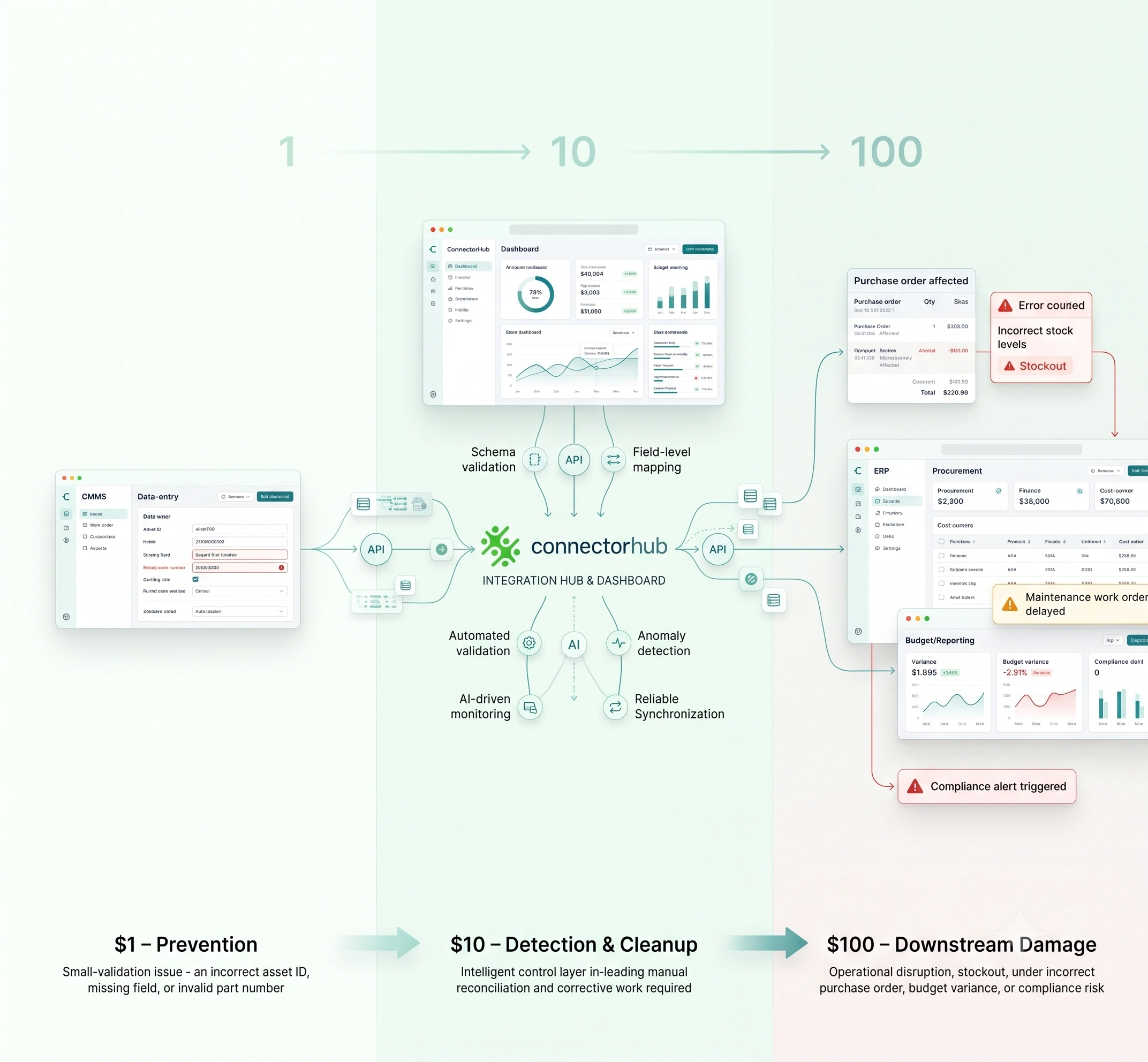
ConnectorHub helps you make better decisions by showing how everything connects. Its reporting dashboards map the full client journey and give you a clean, high-level view of performance, from the first interaction right through to the final close.
- Drive Excellence With Ongoing Refinement
Installation is only the beginning of our partnership. ConnectorHub remains engaged to ensure your ecosystem stays efficient as your business scales. We consistently review how your systems are performing, looking for ways to further polish your automations and adapt your technical strategy to meet new market demands.
Closing Perspective
Every service operation starts with good intent and ends in complexity. Over time, layers of systems and manual fixes bury clarity under noise. Integration peels that back.
System to system integration ties the process together, so data walks a straight line from trigger to report. Integration software and experienced integration service provider workflows give connection shape and resilience.
ConnectorHub and other modern platforms prove that smooth integration no longer needs massive IT budgets or year-long projects. Explore today with ConnectorHub to make connectivity routine in your service operations.